


A Taste of Cherry (1997) is not your usual road film. A rich Iranian man, Mr Badii, drives his Range Rover through Tehran’s outskirts to convince low-wage workers to assist in his suicide. Like most road films, the journey and not the destination is the point.
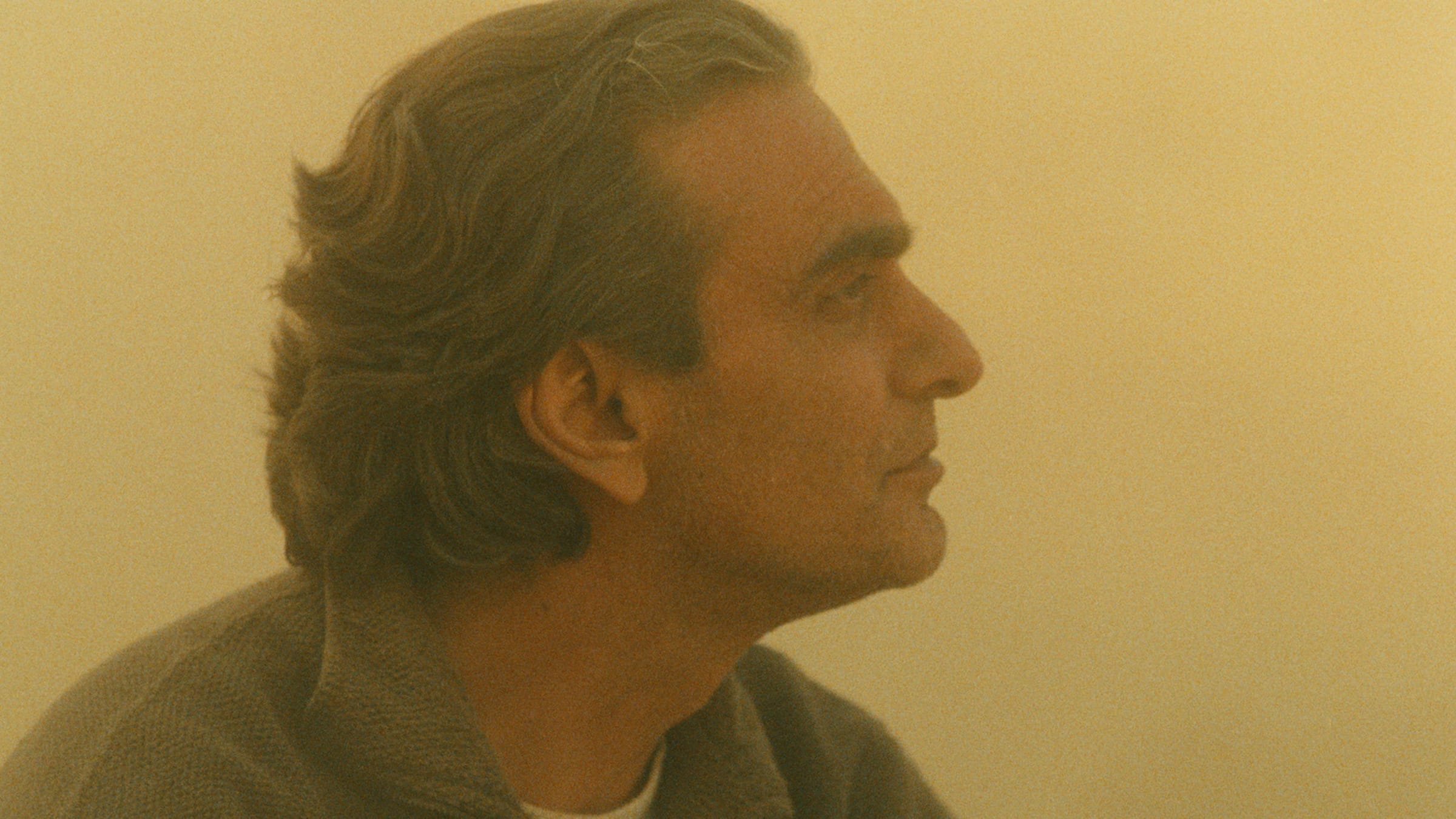
Badii speaks to three main characters: a Kurdish soldier serving his military service, an Afghan seminarian devout to his religion, and an Azeri Turk working as a museum taxidermist. Kiarostami’s choice of these profiles extends the film beyond its central existentialism by situating Badii’s crisis within the social and economic disparities within Iranian society.
The Kurds: A people hailing from Kurdistan, which extends across Iran, Iraq, Turkey and Syria. The Kurds have faced political repression and contested sovereignty where specifically after the 1979 Islamic Revolution, Kurdish movements seeking autonomy clashed violently with the new Iranian state. The film’s Kurdish soldier can therefore be read as someone compelled to serve a state that has historically subjugated his own people, participating in the very apparatus through which this authority is exercised. His timidity and fear towards Badii’s intentions is poignant when considering this marginalisation.
The Afghans: After the 1979 Soviet invasion of Afghanistan and the ensuing decades of conflict, Iran hosted millions of Afghan refugees, many of whom faced economic precarity and social discrimination. The Afghan seminarian’s rejection of Badii’s offer emphasises the depth of his faith. Despite his own material lack, he refuses the financial incentive because his religious conviction prevents him from assisting in an act of suicide.
Finally, the Azeri Turks: Sharing Iran’s dominant religion of Shia Islam, this Azerbaijani ethnic minority in Iran are rather assimilated into the country’s political and cultural life. Bagheri, the taxidermist, has himself attempted suicide, and therefore offers Badii experiential wisdom. Yet he ultimately accepts Badii’s proposal in hopes that the money would pay for his sick grandchild’s treatment.
Across these encounters, Kiarostami uses different positions in Iranian society to expose the privilege inherent within Badii’s desire for death. The working-class landscapes he traverses and the underpaid labourers he approaches reveal the economic imbalance within his request: Badii possesses enough money to turn his death into a transaction, asking to compromise one’s morals or faith in exchange for what he can afford to give them.
The transaction also complicates the existential question at the film’s centre from an economic lens: Bagheri accepts the offer because he remains bound to life through responsibility for another person. Where Badii can spend his money to leave the world, Bagheri needs that same money to care for someone who remains in it.
Midway through the film, one man remarks to Badii: “We all have our own responsibilities.” Badii’s existential crisis is made possible by a privilege to withdraw from society and obligation, but the people he encounters cannot easily do the same when their lives are structured by subjugation, faith, family and care.
A Taste of Cherry therefore invites consideration into the socio-economic conditions of Iranian society that divides the classes. Who can afford this existential crisis? Beyond questions of whether life is worth living, it is worth considering: what responsibilities bind a person to the material world?
Through the people Badii encounters, the film transcends the abstractions of life and death to also consider the material realities of survival, and ultimately, what we owe to one another.
Taste of Cherry will be screening at Filmhouse on 6 and 26 September 2026 as part of the Cinematic Voids programme presented in collaboration with the Singapore Art Museum.
Written by Daryl Cheong, edited by Phyllis Chan