

As an appeal to the “heart”, Minikino Film Week’s five-short programme in Bali, Indonesia titled ‘About Us’ declares that ‘grief is love everlasting.’ It brings to mind the viral catchphrase from Disney+’s WandaVision (2021) that argued: “what is grief if not love persevering.”
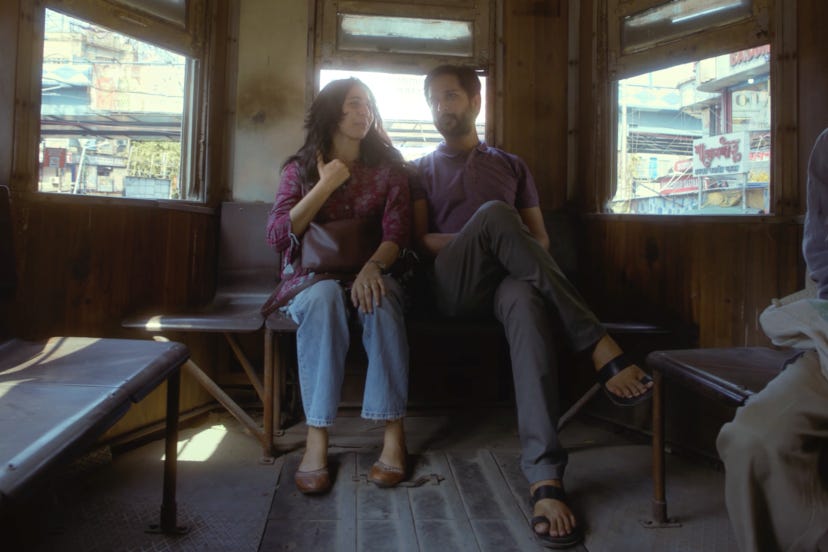
Rajdip Ray’s The First Bite (2025) takes a conventional premise and form to effectively punctuate an everyday experience of grief. A young husband, Sharma (Tanmay Dhanania), changes his own diet to journey alongside his wife, Neeta’s (Naina Sareen), cancer diagnosis. The images are straightforward: tiffin carriers are a symbol of his commitment, and a montage of mundane experiences together reflects joy amidst tragedy. Yet in their simplicity, Ray allows expression for difficult feelings that a stoic culture may find hard to express. The jokes that Neeta hails from a lineage of “warriors” whom even Death would be scared of, reflect an emotional restraint one often associates with Asian cultures. Particularly surprising was the film’s capacity for political commentary: In a scene where Sharma struggles to hail an ambulance, the class divide is revealed through privileges that only the powerful have access to. With its powerful emotional core and capacity for political commentary, this was an exceptional work.
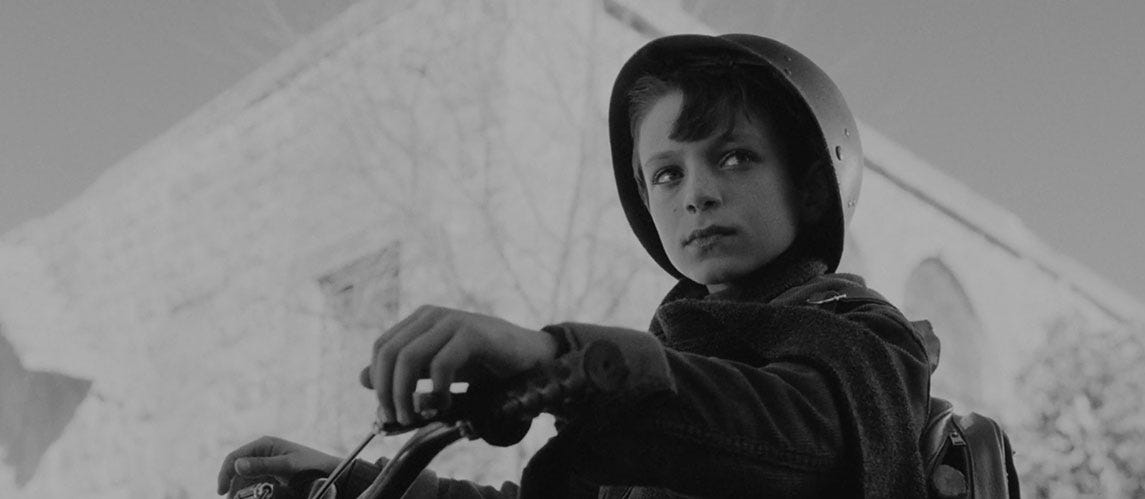
Baadarane (2025) is as powerful as it is tragic. Faced with his mother’s death, a young boy believes that her death was “punishment” from God. Consequently, he commits a series of heinous acts in hopes of being struck to death and reuniting with her. Director Samah El Kadi’s ingenious premise is matched only by the awe-inspiring images that evoke a sense of spirituality. In the film’s opening scenes, the boy cycles to catch up with an ambulance amidst the harsh winter landscape: a powerful reminder of one’s smallness and the inevitability of death. Using the motif of a donkey, El Kadi finds room for God in a world that struggles to hold onto faith. With the evocative writing and imagery, the film compels a reaction as sincere as a child’s uncertainties about death.
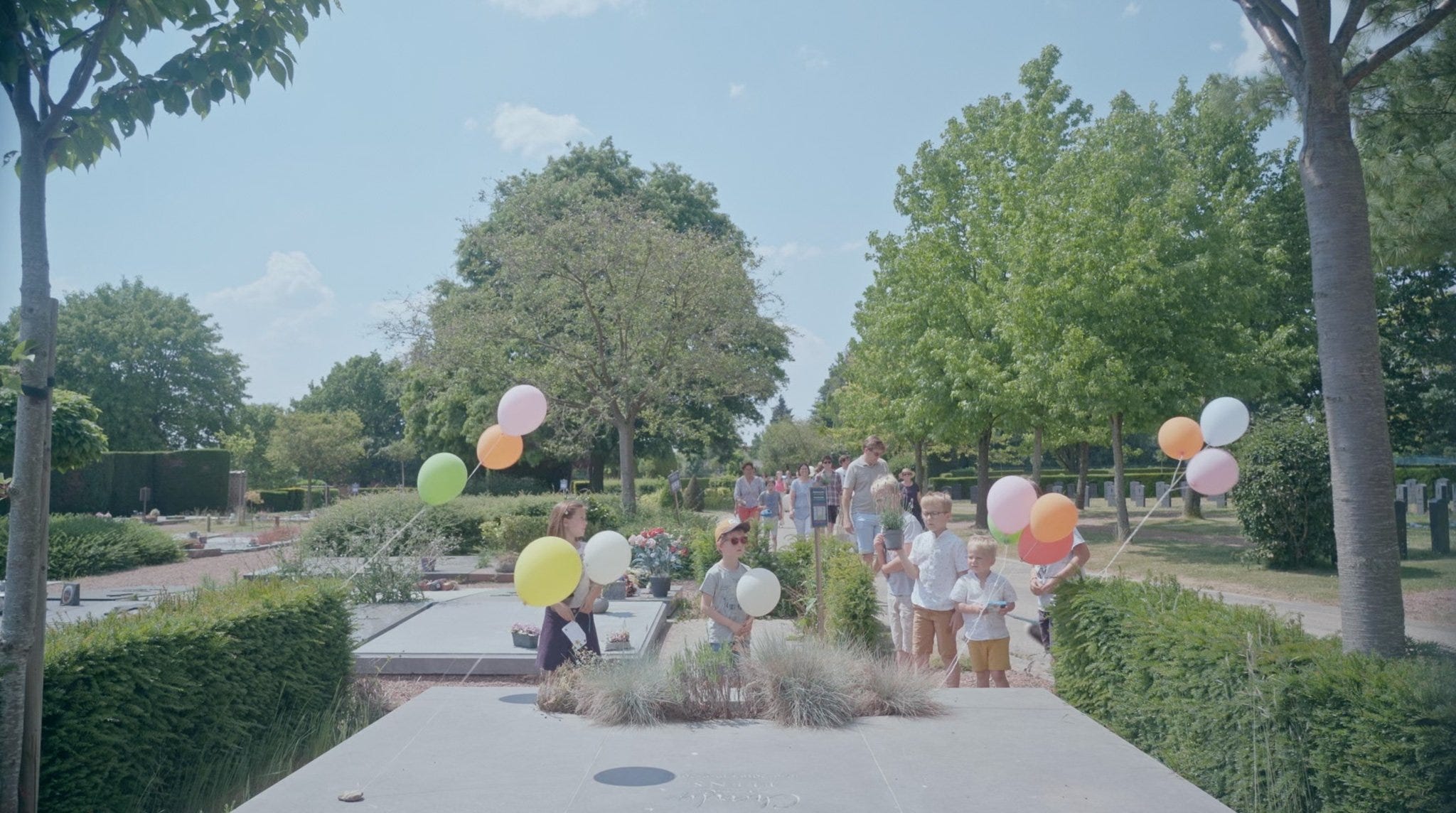
Moving from narratives, documentarian Angeline Teh’s Our Birthdays (2026) allows meaning within the in-betweens: between phone and camera footage, between past and present, between life and death. Through interspersed episodes, an audience may not realise till later that the Belgian family depicted had suffered the death of their second son five years prior. Yet, cut with images of the son’s birth, Teh seems to offer the synchronicity of existence across conception and demise to argue that meaning and love need not have a beginning or end. Instead, time is simultaneous. Teh’s directorial vision elevates an ordinary story of loss into one that finds hope through a re-imagination of time and existence.

Taiwanese docufiction Paper Houses and Horses (2025) extends this in-between state by turning the gaze on a Taiwanese mortuary that houses the bodies of abandoned children. Set alongside experimental and double-exposed images of effigies burnt as part of Teochew practices, the film recalls Choānn’s Scent of the Gods (2024) in its use of thermal heat images to evoke the experience of an afterlife. These fictional liberties are creative expressions of death, but they do lead one to wonder whether their imposition on a straightforward documentation of a mortuary’s efforts is more aesthetic than necessary. At times, they risk subtracting from what could have been a moving celebration of their work, or a deeper reflection of child abandonment.
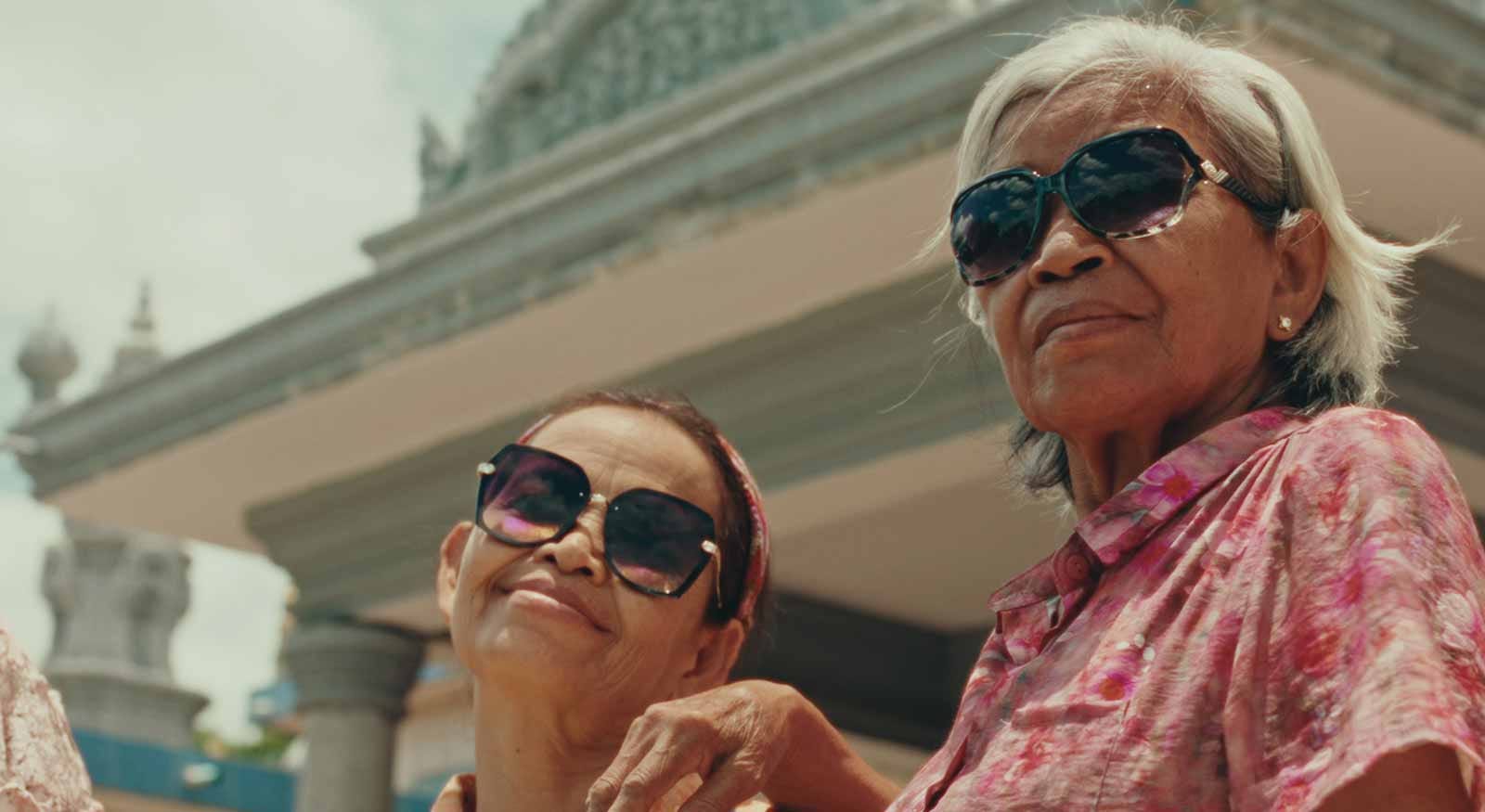
Finally, the programme closed with Chheangkea’s Grandma Nai Who Played Favorites (2025) that has already travelled much of the festival circuit. In it, Grandma Nai leaves the afterlife to observe her favourite grandson’s upcoming engagement with a woman despite his queer identity. Whilst not subtle, the film relies on the unsaid and implied to express the difficulties of abandoning a life: a grandson resisting his queerness, a grandma resisting her death. No matter one’s position, Chheangkea’ sympathetic lens explores the challenges in accepting a new phase of life.
Screened together, the five films trace movement from life to death, whilst exploring the in-betweens. The films, particularly the bookends, demonstrate that even at death, the amplifications of our loved ones’ absence (or presence) continue to pervade. And whether an afterlife exists, that love has become its own entity, rendered alive and singular. Love, in all its nobility, is what we are about.
Written by Daryl Cheong, edited by Phyllis Chan