

For Nông Nhật Quang, turning the camera on his family was as much an act of acknowledgement as it was an exercise in filmmaking.
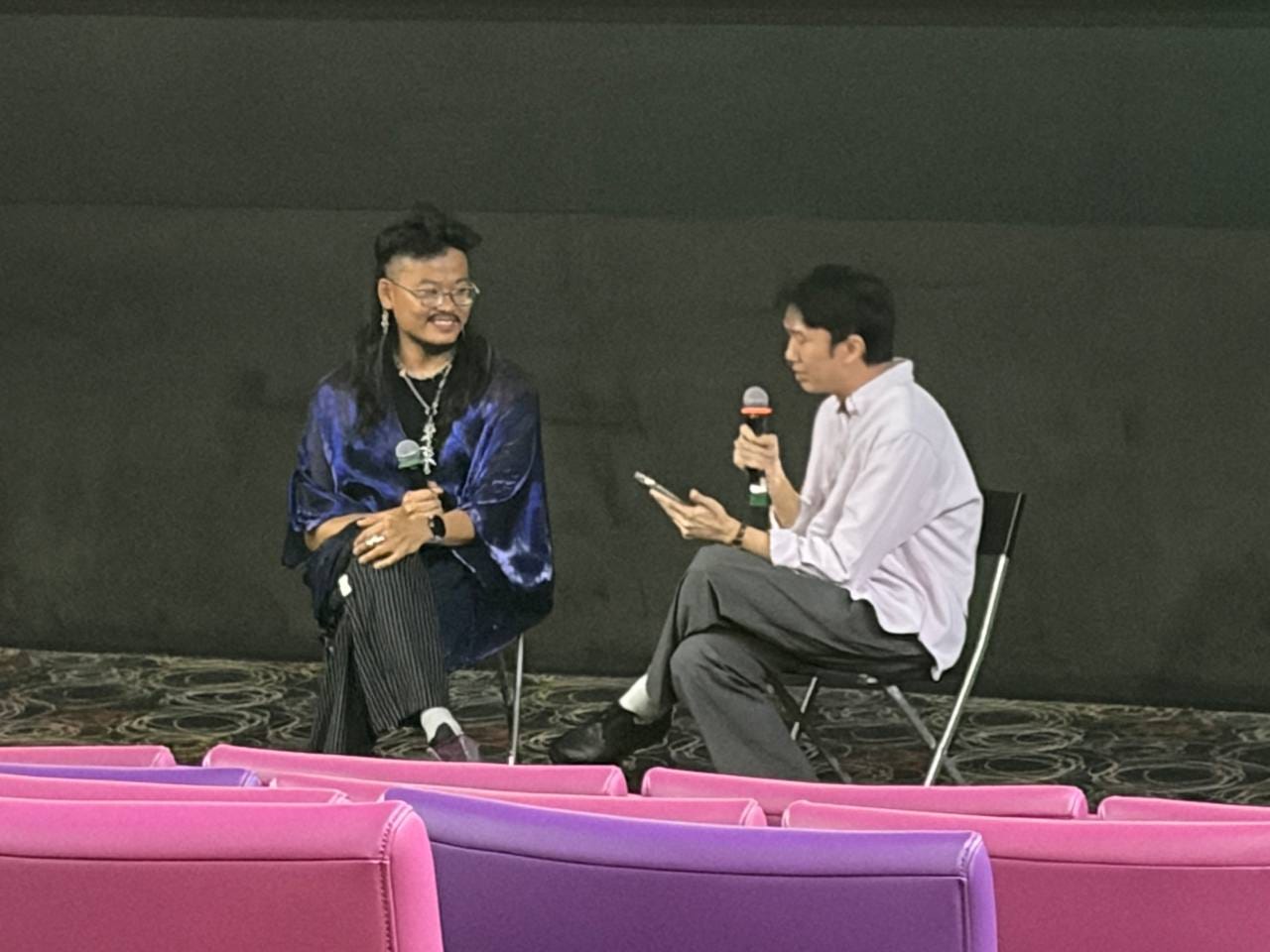
At a post-screening Q&A for his film Baby Jackfruit Baby Guava, the Vietnamese filmmaker spoke with Singaporean moderator and writer Daryl Qilin Yam about the challenges of documenting his family and how the process gradually changed their family dynamics. The film opened the Standpoint section with films that “stand up to uncomfortable truths, sparking debate and offering fresh perspectives.”
Quang recalled how he and his sister Mai had grown up close due to the shared conflict with their mother. His sister’s disagreements with the family were often attributed to her schizophrenia diagnosis, leaving little room for her perspectives to be understood on their own terms. For his sister, he explained, being filmed “made her feel acknowledged more than she is exposed.”
The documentary emerged from years of recording everyday life, drawing on family photographs, diaries, phone recordings and home videos—what Quang describes as “fragments of memories”—to piece together the family’s history. In particular, Quang wanted to understand his mother beyond her maternal role. He shared, “I was also interested in exploring who my mother was before she became my mother.”
However, bringing such intimate experiences to the screen also raised questions about consent and trust over a story that was not entirely Quang’s.
When an audience member asked whether Quang’s mother and sister had any say in the editing process, he explained that they did not exercise editorial control. Yet rather than presenting himself as an all-knowing storyteller, Quang chose to position himself as one of the film’s protagonists, acknowledging that his perspective was only one part of their shared family history. Describing the documentary as “[his] version of reality in the house,” he also remained open to making changes should the film be released in Vietnam, particularly given his mother’s concerns about how their family might be perceived by their community.
The film has also prompted changes within the family, despite having been completed only a few months earlier, in April. Quang shared that his sister felt empowered by seeing her experiences represented on screen, while his mother remained more apprehensive about its reception. Nonetheless, Quang revealed that she has been making a greater effort to talk more openly and become more accepting of his sexuality and his partner.
Reflecting on the conclusion of the filming process, Quang acknowledged the emotional toll of documenting his family over several years. “If I don’t end it soon, I may turn bitter from the filming process, because it’s so gruelling. But also my relationship with my family needs to be able to move on,” he admitted.
In the end, putting down the camera also meant giving his family and himself the opportunity to move forward.
Written by Phyllis Chan, edited by Daryl Cheong